
Soundproofing Insulation


Effective Soundproofing for Residential, Commercial, and Industrial Buildings
Soundproofing insulation is used to reduce noise travelling between rooms, floors, and different areas within a building. It helps create quieter environments in homes, offices, factories, warehouses, and commercial buildings by limiting airborne noise and impact sound passing through walls, floors, and ceilings.
At Insulation Warehouse, we supply soundproofing materials suitable for residential, commercial, and industrial projects across South Africa. These materials are installed inside building structures to control noise transfer and improve overall comfort and productivity.

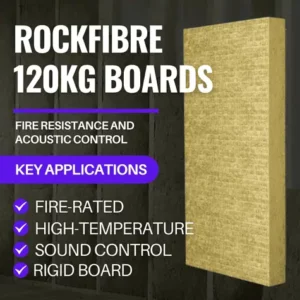
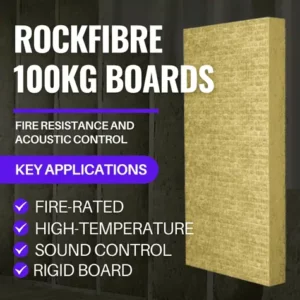
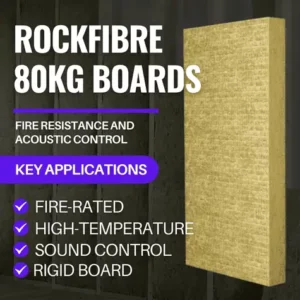
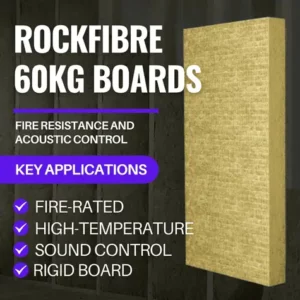


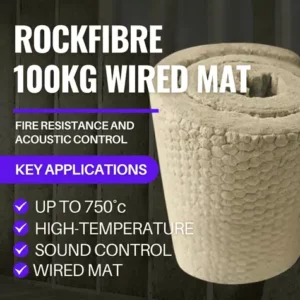
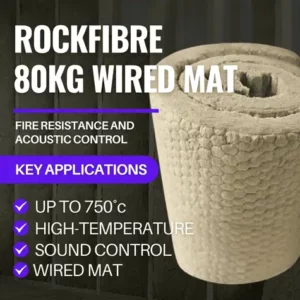
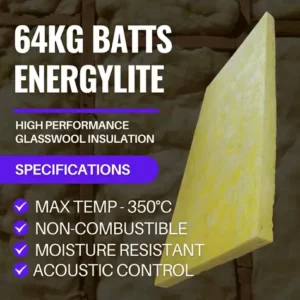
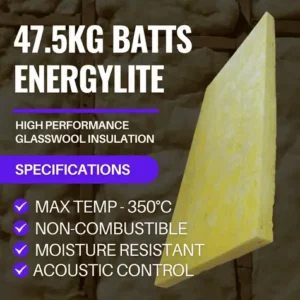






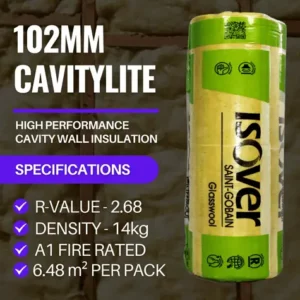


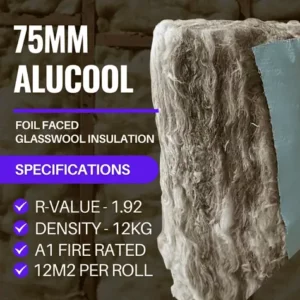

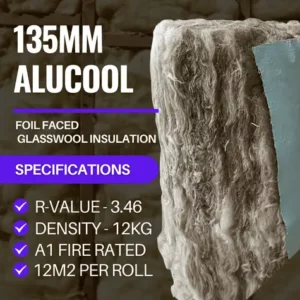

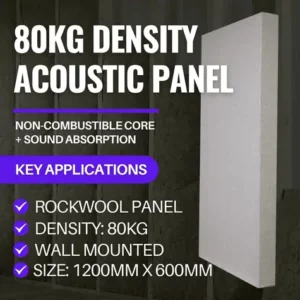

Our Top Soundproofing Insulation Recommendations
Rockwool Sound Insulation – Our top recommendation for soundproofing, especially in commercial and industrial environments. Its high density makes it highly effective at blocking noise, while its fire-resistant properties make it a reliable choice for factories, warehouses, offices, and other demanding applications. It’s often specified where both strong sound reduction and fire safety are required.
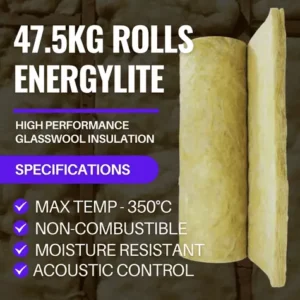
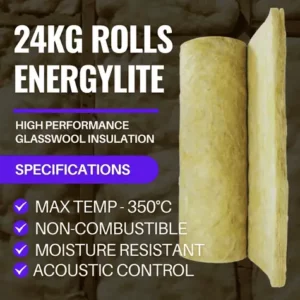
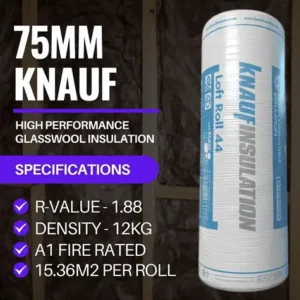
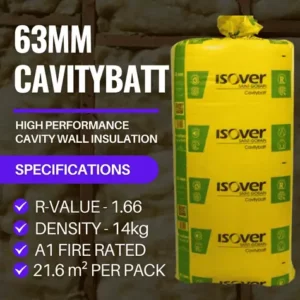
Glasswool Sound Insulation – Glasswool is a practical and affordable option for soundproofing in both residential and commercial buildings. It performs well in standard wall, floor, and ceiling applications and is commonly used in offices, retail spaces, and homes. Higher-density Glasswool products deliver improved noise reduction and remain a popular choice for many projects.
Comparing Glasswool and Rockwool Soundproofing Performance
When choosing soundproofing insulation, the material you select plays a major role in how effectively noise is controlled. Both Glasswool and Stone Wool are widely used for soundproofing, but their performance can vary significantly depending on density and application.
Higher density materials generally provide better sound reduction, especially when the goal is to block noise transmission between rooms or floors.
| Factor | Glasswool | Stone Wool | Winner for Soundproofing |
|---|---|---|---|
| Sound Reduction | Good | Excellent | Stone Wool |
| Density Options | Lower to Medium | Much higher density | Stone Wool |
| Fire Resistance | Good | Excellent | Stone Wool |
| Best For | Residential noise dampening | Commercial, industrial & fire-rated | Depends on use |
| Price | More affordable | More expensive | Glasswool |
| Ease of Installation | Easier | Slightly heavier | Glasswool |
As shown in the comparison above, high-density Stone wool delivers the best overall performance for soundproofing and noise control. Its superior density, sound reduction capabilities, and fire resistance make it the top choice for commercial, industrial, and high-performance residential projects.
While glasswool remains a cost-effective option for many applications, projects requiring maximum noise reduction will benefit most from high-density stone wool solutions.
Soundproofing Insulation for Walls, Floors & Ceilings
Soundproofing requirements differ depending on the type of building and the area being insulated. Below we outline how mineral wool is typically used in walls, floors, and ceilings across residential, commercial, and industrial settings.
Soundproofing Insulation for Walls
Walls are one of the main paths for noise moving between rooms. Installing soundproofing insulation inside wall cavities helps absorb sound and reduce noise transfer from one space to another.
This type of soundproofing is widely used in:
- Residential homes (bedrooms, living areas, and home offices)
- Commercial buildings (offices, meeting rooms, and retail spaces)
- Industrial facilities (control rooms and staff areas)
Both Rockwool and Glasswool are used in wall applications. Rockwool generally provides stronger sound isolation, making it a preferred option in commercial and industrial projects, while Glasswool offers good performance in more cost-sensitive applications.

Soundproofing Insulation for Floors
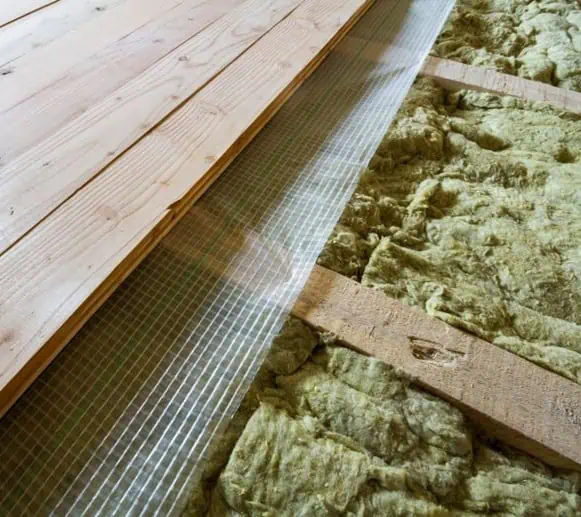
Noise travelling between floors is a common issue in multi-storey buildings. Fitting soundproofing insulation between floor structures helps reduce both airborne noise and impact sound, such as footsteps or machinery vibration from above.
This approach is used in:
- Double-storey homes and apartments
- Office buildings with multiple floors
- Industrial facilities with different working levels
Rockwool is often chosen for commercial and industrial floor applications due to its superior sound-blocking performance, while Glasswool is frequently used in residential and lighter commercial projects.
Soundproofing Insulation for Ceilings
Ceilings can allow noise from upper floors or roof spaces to disturb the area below. Installing soundproofing insulation in ceiling cavities helps absorb sound before it enters the occupied space underneath.
This method is commonly applied in:
- Residential buildings (bedrooms below living areas)
- Commercial offices (workspaces beneath meeting rooms or plant rooms)
- Industrial buildings (areas below production floors or equipment)
Adding soundproofing insulation in ceiling cavities is one of the most effective ways to reduce noise coming from above.

Why Rockwool is Our Top Choice for Soundproofing
Rockwool stands out as the best option for demanding soundproofing applications. Its high density and robust structure make it highly effective at reducing noise transfer, which is why it is widely used in commercial buildings, factories, warehouses, and other industrial environments. In addition to its acoustic performance, it also offers excellent fire resistance, making it a preferred choice where both sound control and safety are priorities.
Glasswool as a Cost-Effective Soundproofing Solution
Glasswool remains a strong and cost-effective solution for many soundproofing projects. It offers good noise reduction and is easy to install in standard building cavities. Its commonly used in residential homes as well as commercial spaces such as offices and retail environments where a balance between performance and budget is required.
How to Choose the Right Soundproofing Insulation
Choosing the best soundproofing insulation depends on your specific project requirements. Key factors to consider include:
- The area being insulated (walls, floors, or ceilings)
- The type and level of noise you need to control
- Whether the project is residential, commercial, or industrial
- Budget and performance expectations
- Fire safety requirements
For maximum sound reduction in commercial and industrial environments, high-density insulation is generally the best choice. For residential projects and lighter commercial applications, lower-density Glasswool offers excellent performance at a more accessible price.
Soundproofing Insulation in Johannesburg, Centurion & Pretoria
We offer fast delivery of soundproofing insulation across Gauteng, including Johannesburg, Centurion, and Pretoria. Whether you’re working on a residential, commercial, or industrial project, we can supply the right products with quick turnaround times.
Our team also provides advice and support for projects in these areas. If you need help choosing the best soundproofing solution for your building, feel free to contact us.