
Polyester

Polyester Insulation
Polyester insulation is a soft, non-irritant material manufactured from recycled PET fibers. It contains no loose fibers or dust, making it ideal for homeowners who prefer a clean-handling product during installation. Polyester insulation provides a smooth, fiber-free finish across ceilings and living spaces and maintains its shape well over time. While it offers gentler handling, polyester naturally delivers lower R-values per millimeter, lower acoustic performance and a lighter fire classification compared to glasswool alternatives.


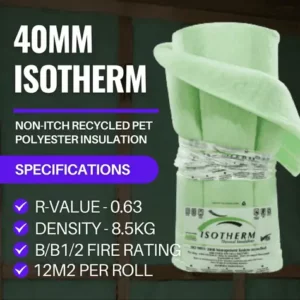
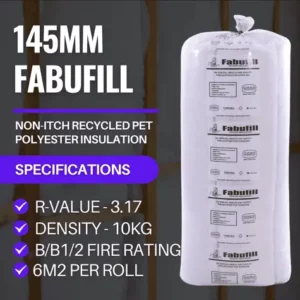
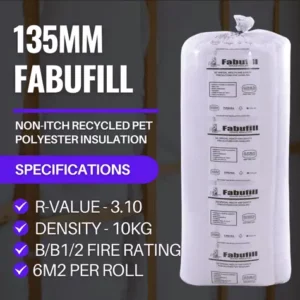


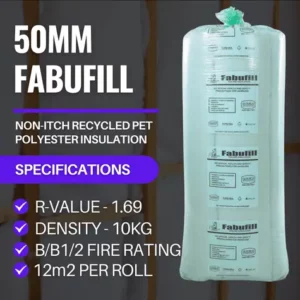

What Is Polyester Insulation?
- Manufactured from recycled PET plastic
- Soft, flexible and completely itch-free
- Contains no loose fibers, dust or chemical binders
- Designed for clean, comfortable installation
- Available in various thicknesses for different ceiling requirements
Key Advantages
- Soft, non-irritant, fiber-free handling
- No dust or airborne particles during installation
- Good loft retention once fully recovered
- Durable and resistant to mildew, bacteria and insects
- Wide 1200mm rolls allow for faster coverage
- Made from recycled materials
Performance Notes
Polyester insulation behaves differently to glasswool due to its lighter fiber structure:
- Lower R-values per mm compared to glasswool
- Lower acoustic absorption
- B-class fire rating
- Higher product cost per m²
- Not all polyester ranges carry SABS approval
These characteristics are typical of all polyester products and simply define the material category. Polyester remains a suitable choice for projects where clean handling and a non-fibrous material are the priority.
Where Polyester Is Used
Polyester insulation is commonly used in:
- Ceiling insulation for bedrooms, living rooms and family areas
- Homes where a non-itch product is preferred
- Retrofits where installers work in tight roof spaces
- Applications where dust-free materials are important
- Ceilings in low-dust, allergy-sensitive environments
Polyester vs Glasswool
- Polyester is softer and easier to handle
- Glasswool provides higher thermal performance at the same thickness
- Glasswool offers stronger acoustic absorption
- Polyester is generally more expensive
- Polyester has a lighter fire rating
- Both maintain long-term loft when installed correctly
For a full breakdown of glasswool performance, see → Glasswool Insulation
Explore Polyester Options
Your two polyester product families:
- Fabufill Polyester (SABS Approved) → Fabufill Insulation
- Isotherm Polyester (Not SABS Approved) → Isotherm Insulation
This ensures users understand the approval difference clearly and transparently.
Installation Notes
- Rolls recover to full loft after unpacking
- Cut with scissors or shears for clean edges
- Ensure full coverage with no gaps between trusses
- Maintain a 50mm clearance around downlights
- Store rolls in a dry area before installation
- Suitable for new builds and retrofits
Why Choose Polyester
Polyester insulation is ideal for homeowners who priorities a clean-handling, fiber-free material that’s comfortable to work with. It offers a soft, safe installation experience and provides consistent long-term loft once fully recovered. Although polyester delivers lower thermal and acoustic performance than glasswool, it remains a reliable choice for customers who value comfort, recycled materials and a dust-free product.
Where to Go Next
- Return to the Insulation Overview → Insulation
- Compare insulation by application → By-Application
- Browse insulation by material → By-Material
- View insulation brands → Brands