
By-Application

Insulation Applications – Find the Right Type of Insulation for Your Home or Building in South Africa
Insulation performs different functions depending on where it is installed in a home or building. Roofs, ceilings, walls and floors each have their own thermal challenges, and choosing the correct type of insulation for the right area is essential for comfort, energy efficiency and long-term performance. This page helps you understand where insulation is used and directs you to the best options for each application.
Ceiling Insulation
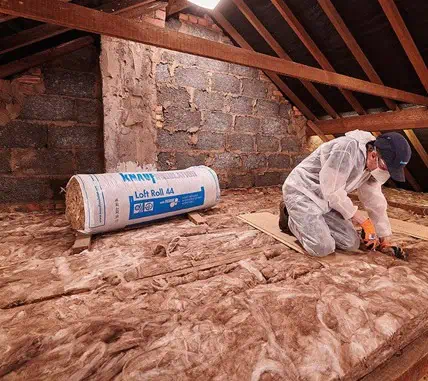
Ceiling insulation is installed directly at ceiling level, laid across the ceiling boards to create a thermal barrier between the living spaces below and the hot or cold roof space above. By reducing heat transfer through the ceiling, it helps regulate indoor temperatures more effectively, keeping homes cooler in summer and warmer in winter. This improves year-round comfort, reduces energy consumption.
Explore options → Ceiling Insulation
Roof Insulation
Roof insulation is installed directly at roof level, positioned beneath the roof sheets or supported between the purlins. By blocking heat at the source before it enters the roof cavity, it significantly reduces radiant and conductive heat transfer through the roof structure. This helps stabilize indoor temperatures, lowers cooling costs, and improves the overall thermal performance of your building.
Learn more → Roof Insulation

Wall Insulation
Wall insulation is designed to enhance both the thermal and acoustic performance of internal and external walls. By filling the wall cavity with a high-performance insulation material, it reduces unwanted heat transfer, blocks outdoor noise, and improves overall indoor comfort. This helps create quieter, more energy-efficient living and working spaces throughout the year.
View wall insulation → Wall Insulation

Floor Insulation
Floor insulation is used within the floor cavity or between storeys to improve both thermal and acoustic performance in a building. It helps reduce heat loss between levels, limits noise transfer in multi-storey homes, apartments and offices, and enhances overall comfort underfoot. This makes it an effective upgrade for improving energy efficiency and creating quieter, more comfortable living and working spaces.
Browse floor insulation → Floor Insulation

Soundproofing Insulation
Soundproofing insulation is designed to reduce both airborne noise—such as voices, televisions and general conversation—and impact noise, like footsteps and movement between floors. Installed within walls, floors or ceiling cavities, it helps create quieter, more private indoor spaces. Ideal for home offices, studios, apartments, shared living areas and any environment where improved noise control is essential.
Sound options → Soundproofing Insulation

Fire-Rated Insulation
Fire-rated insulation is engineered to improve a building’s fire resistance by slowing down heat transfer, reducing flame spread and helping contain a fire in its point of origin. As a non-combustible material, it enhances safety in both residential and commercial environments and supports compliance with fire-protection standards in high-risk areas. It is commonly installed in ceilings, walls, service voids, and around structural elements.
Learn More → Fire Rated Insulation

Why Insulation Application Matters
Each area of a building experiences heat differently. Ceilings absorb hot air rising from inside the home, roofs take on radiant heat directly from the sun, walls transfer heat between rooms, and floors carry sound and temperature changes between levels. Matching the correct type of insulation to the right application ensures you get the full benefit of the material you choose—better comfort, lower running costs and long-lasting performance.
How to Choose the Right Type of Insulation For The Application
When deciding which type of insulation you need, consider the following:
- Where heat enters or escapes in your home
- Whether you need to improve temperature control, acoustics, or both
- Your home’s roof type, construction style and climate zone
- Whether it’s a new installation or a retrofit project
- The budget and performance level required
Each application page provides specific guidance, recommended materials and the advantages of insulating that area.
Frequently Asked Questions
Which area should I insulate first?
If your home is uninsulated, ceiling insulation is the most cost-effective upgrade and should be your starting point.
Do I need more than one type of insulation?
Many homes benefit from a combination of ceiling and roof insulation. Walls and floors are added when acoustic or multi-storey comfort is needed.
Is roof insulation the same as ceiling insulation?
No. Ceiling insulation sits on the ceiling board, while roof insulation is installed under the roof covering. They work together but serve different functions.
Why does my climate zone matter?
Different regions in South Africa experience different levels of heat and cold. Your climate zone determines the ideal insulation thickness and type.
Does insulation help with noise as well?
Yes. Many insulation products improve both thermal and acoustic performance, especially wall and floor insulation.
Where to Go Next
- Explore all insulation types → Insulation
- Explore insulation materials → By-Material
- Browse all brands → Insulation Brands
- View our homepage → Insulation Warehouse