
Ceiling Insulation


Ceiling Insulation Prices in South Africa
Insulation Warehouse supplies ceiling insulation products for residential and commercial buildings across South Africa. Browse ceiling insulation prices and products including glasswool and polyester insulation in multiple thicknesses, suitable for installation above ceiling boards in timber and steel roof structures. This page allows you to compare ceiling insulation products by material and thickness and buy online for delivery.
The products listed here are specifically selected for ceiling applications in new builds and existing homes, with pricing and specifications clearly shown to help you choose the correct insulation for your ceiling.


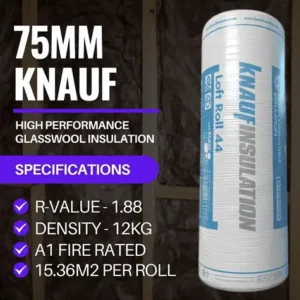


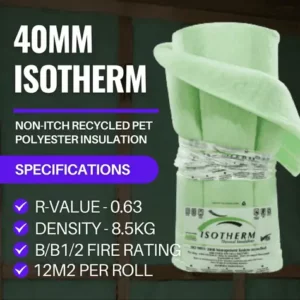
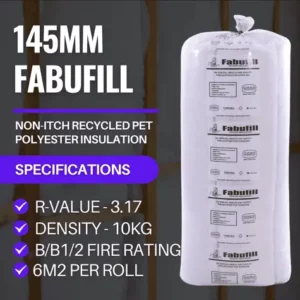
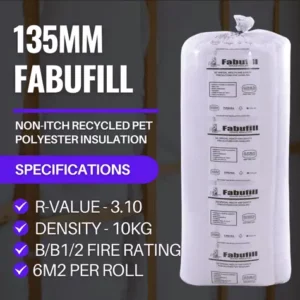



Compare Current Ceiling Insulation Prices in South Africa
Below is an updated pricing overview of the country’s most trusted thermal and acoustic insulation materials. If you are calculating the overall cost per square meter for a residential or commercial project, use this quick-reference guide to compare popular glasswool and eco-friendly polyester brands. Click on any specific thickness to view individual product specifications or add items directly to your online order.
| Brand | Material | Thicknesses | Price Range (Incl. VAT) | Link |
|
Knauf Earthwool |
Glasswool |
From R899.00 – R987.00 |
[View Brand] | |
|
Aerolite Soft Touch |
Glasswool |
From R519.00 – R619.00 |
[View Brand] | |
|
Isotherm |
Polyester |
From R499.00 – R710.00 |
[View Brand] | |
|
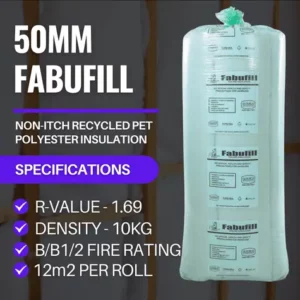
Fabufill |
Polyester |
From R499.00 – R710.00 |
[View Brand] |
Looking for Wholesale or Bulk Commercial Project Pricing?
Please note that the rates listed in our pricing table reflect standard direct-to-public retail prices. If you are a contractor, developer, or property manager ordering high volumes for commercial warehouses, large housing developments, or retail stock replenishment, you qualify for discounted trade rates. Contact our sales desk directly or send us your architectural bill of quantities (BOQ) for a custom wholesale quotation.
Local Delivery & Warehouse Dispatch (Johannesburg, Centurion, & Pretoria)
We maintain consistent stock levels across our distribution hubs to ensure rapid turnaround times for local projects. Whether you are ordering a few rolls of 135mm glasswool for a weekend DIY home upgrade or multiple pallets of polyester insulation for a massive commercial site build, we offer fast, reliable delivery options directly to your site across Johannesburg, Centurion, and Pretoria.
Ceiling Insulation vs Roof Insulation
Ceiling insulation and roof insulation serve different purposes and are installed at different levels of a building. Ceiling insulation is installed directly above the ceiling boards, inside the roof space, and is intended to control heat transfer between the living areas and the roof cavity.
Roof insulation, by contrast, is installed at roof level, typically beneath metal roof sheeting or within roof structures. Roof insulation systems often involve reflective foil and bulk insulation combinations designed specifically for exposed roof assemblies.
This page focuses only on ceiling insulation products — insulation materials supplied for installation at ceiling level. Products intended for roof-level insulation are covered separately on our roof insulation pages to ensure the correct materials are selected for each application.
How Ceiling Insulation Products are Used
Ceiling insulation is supplied in rolls or batts and is laid or fitted above the ceiling boards to form a continuous thermal layer across the entire ceiling plane. This layer slows heat movement in both directions:
- In winter it helps retain warmth inside the home by reducing heat loss through the ceiling.
- In summer it helps keep indoor spaces cooler by blocking heat gain from the hot roof space above.
Because heat rises, an uninsulated ceiling is one of the biggest sources of energy loss in Gauteng homes. Adding the correct thickness of ceiling insulation creates more stable indoor temperatures year-round, reduces the load on heating and cooling systems, and lowers monthly electricity costs.
Ceiling insulation is suitable for both new construction and retrofit projects in existing homes, provided there is safe access to the roof space above the ceiling boards. It also improves acoustic comfort by reducing sound transmission from the roof cavity.
Choosing a Ceiling Insulation Material
Different insulation materials are available for ceiling applications, each with specific advantages depending on budget, performance requirements, and handling preferences.
Glasswool Insulation For Ceilings
Glasswool insulation is the most commonly used ceiling insulation material. It offers:
- Excellent thermal performance
- Excellent Sound absorption
- A1 fire rating
- Competitive pricing
- Wide availability in multiple thicknesses
Glasswool is suitable for most residential projects and provides strong value for money.
Polyester Insulation For Ceilings
Polyester insulation is a higher-cost alternative often selected for:
- Non-itch properties
While polyester insulation typically costs more per square meter than glasswool, some buyers prefer it for its handling characteristics.
Thickness and Performance
Performance is influenced primarily by thickness. Thicker insulation provides higher thermal resistance and improved energy efficiency.
Common thicknesses include:
- 50mm for basic thermal improvement
- 100mm for improved comfort
- 135mm for maximum thermal performance
Choosing the correct thickness depends on climate conditions, energy-efficiency goals, and budget considerations. In most cases, fire performance requirements may also influence the type of insulation selected.
Where to Go Next
- Return to the Insulation Overview → Insulation
- View insulation by application → By-Application
- Explore insulation by material → By-Material
- Explore insulation by brand → Brands
- Fire-Rated options → Fire-Rated Insulation
- View roof insulation options → Roof Insulation