
Knauf vs Isotherm
Knauf vs Isotherm Insulation
Knauf and Isotherm are two of the most commonly used insulation products in South Africa, but they are not equal in performance. This comparison breaks down the real differences in thermal efficiency, fire resistance, acoustic performance, and overall value so you can choose the right insulation before you buy.
What is the Difference Between Knauf and Isotherm?
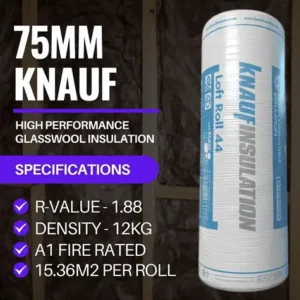
Knauf insulation is a glasswool product made from mineral-based materials. It is designed for high thermal performance, strong fire resistance, and effective sound absorption.
Isotherm insulation is made from polyester fibres. It is softer to handle, but generally offers lower performance across key insulation metrics.
The difference comes down to material type — glasswool vs polyester — and how that affects performance.
Thermal Performance (R-Value)
Thermal performance is the most important factor when choosing the right insulation, especially for ceiling insulation and roof insulation applications.
- Knauf insulation delivers higher R-values per thickness
- Isotherm insulation provides lower thermal resistance
This means Knauf is more effective at:
- keeping heat out during summer
- retaining warmth in winter
For the same thickness, Knauf insulation will outperform Isotherm.
Density and Overall Performance
Density plays a major role in how insulation performs.
- Knauf insulation has higher density, improving both thermal and acoustic performance
- Isotherm insulation is lighter and less dense, which reduces effectiveness
Higher density also contributes to better long-term performance and durability.
Fire Resistance
Fire safety is critical, especially for ceiling and roof insulation.
- Knauf insulation is non-combustible and offers strong fire resistance
- Isotherm insulation has lower fire performance in comparison
For applications where fire safety matters, glasswool insulation is the more reliable option.
Acoustic Performance
If noise reduction is important:
- Knauf insulation provides better sound absorption
- Isotherm insulation delivers lower acoustic performance
This is mainly due to the density and structure of the material.
Price vs Value
Price alone does not determine value.
- Isotherm insulation is often priced higher relative to its performance
- Knauf insulation offers better value for money based on performance
You are getting more thermal efficiency, fire resistance, and acoustic performance per rand with Knauf.
Installation and Handling
- Isotherm insulation is softer and may feel more comfortable to handle
- Knauf insulation uses modern binder technology and is designed to be low itch and installer-friendly
While handling differs slightly, both products can be installed efficiently. Performance should be the deciding factor.
Best Use Cases
Choose Knauf insulation if you want:
- Higher thermal performance
- Better fire resistance
- Stronger acoustic insulation
- Better long-term value
Choose Isotherm insulation if you prioritise:
- Softer handling material
- Handling comfort over performance
Final Verdict: Knauf vs Isotherm
While polyester is often marketed as “easier to handle” because it doesn’t itch, that convenience lasts for the one day of installation. You live with the R-value, fire rating, and acoustic performance for the next 30 years.
Knauf Glasswool (featuring ECOSE® Technology) has solved the “itch” problem of the past—it is soft, easy to handle, and formaldehyde-free—while maintaining the massive technical advantages of mineral wool.
Compare Knauf and Isotherm Insulation Options




What To Do Next
- View Knauf insulation prices
- View Isotherm insulation prices
- Shop ceiling insulation
- Shop roof insulation
- Browse glasswool insulation
- Browse polyester insulation
- View all insulation comparisons